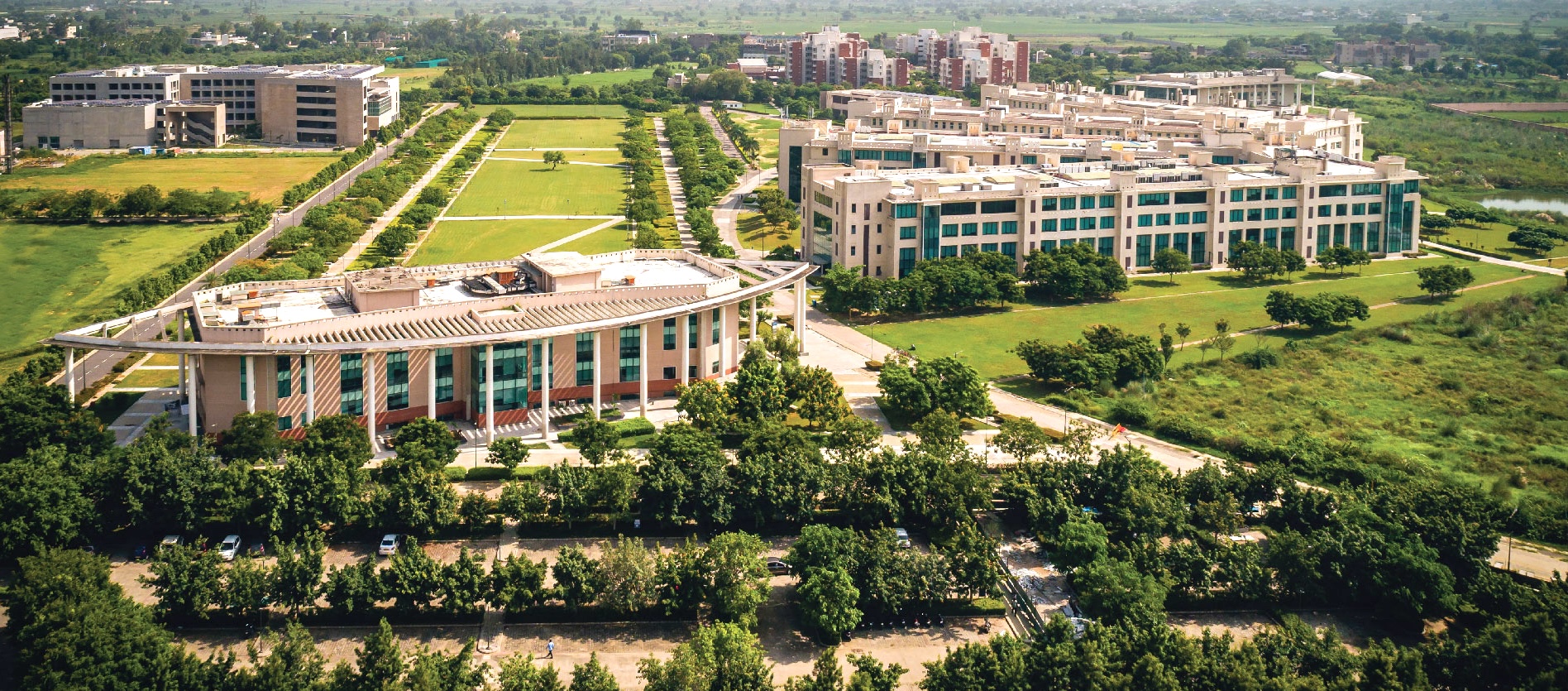
 Est. 2011
Shiv Nadar University
Greater Noida, India
Research Focus
Water Resources EngineeringEnvironmental SciencesPublic Policy
Visit Website 

A joint initiative under the United Nations Academic Impact, co-chaired by Shiv Nadar University and the University of Manitoba to advance SDG 6.
The SDG 6 Knowledge Hub is a global academic platform established under the United Nations Sustainable Development Goal 6 framework, dedicated to ensuring availability and sustainable management of clean water and sanitation for all.
Co-chaired by Shiv Nadar University (India) and the University of Manitoba (Canada), the Hub brings together leading researchers, policymakers, civil society organizations, and development practitioners from across the globe.
Through interdisciplinary research, capacity building, and knowledge dissemination, the Hub translates scientific evidence into actionable policies and practices that accelerate progress toward SDG 6 targets by 2030.
Focused squarely on accelerating progress toward UN SDG 6 — clean water and sanitation for all.
Bridging research and practice across India, Canada and partner communities worldwide.
Sharing data, methods and findings openly between academics, governments and communities.
Co-chaired and co-created by two leading universities and their global partners.
Universal and equitable access to safe and affordable drinking water for all.
Adequate and equitable sanitation and hygiene, ending open defecation.
Improve water quality by reducing pollution and halving untreated wastewater.
Increase water-use efficiency and ensure sustainable freshwater supplies.
Implement integrated water resources management at all levels.
Protect and restore water-related ecosystems and biodiversity.
Est. 2011Greater Noida, India
Research Focus
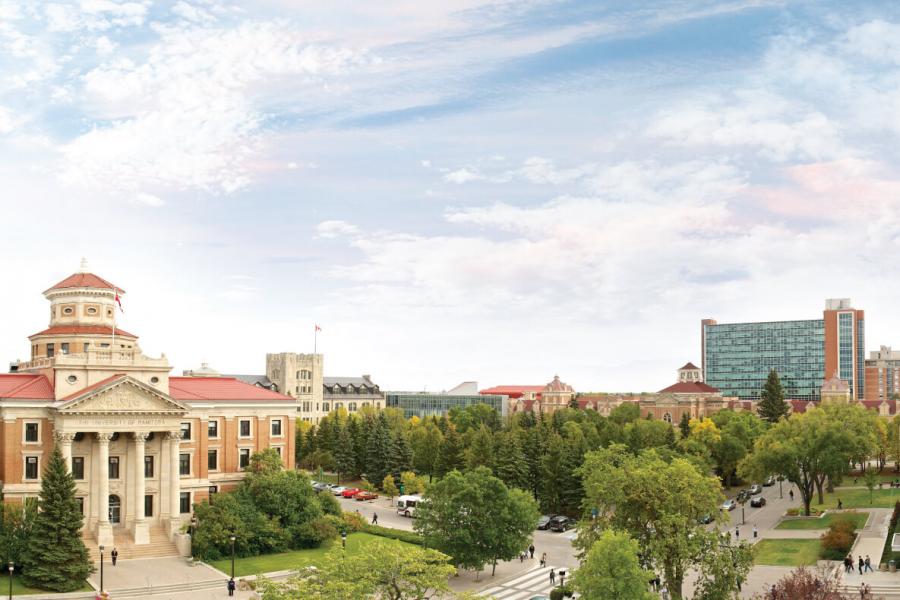 Est. 1877
Winnipeg, Canada
Research Focus
Explore an interactive Google Earth slideshow showcasing the geographic scope of the University of Manitoba's major water research projects — from Manitoba's Great Lakes to Indigenous territories in Yukon and British Columbia.
Grounding all work in evidence-based research and peer-reviewed knowledge.
Ensuring research and solutions address the needs of the most vulnerable communities.
Building bridges between academia, government, civil society, and communities.
Promoting long-term, environmentally sustainable approaches to water management.